

Why a Careful Inspection Sets the Direction for Any Repair Plan
An inspection is the first and most important step before planning any deck repair. It shows what is damaged, what is still safe, and what needs fast attention. Without a close look, you might fix the wrong problem or miss hidden damage. A clear inspection helps you build a repair plan that fits your deck’s real condition.
Quick Answer: Inspection Shapes the Entire Repair Plan
Every strong deck repair plan starts with facts. An inspection gives you those facts. It tells you if boards are rotting, if fasteners are loose, or if support posts are sinking. When you know the full picture, you can set a budget, timeline, and work list that makes sense. Skipping this step often leads to wasted money and repeat repairs.
What You Need Before Starting an Inspection
You do not need fancy tools for a basic check, but a few simple items help:
- A flashlight for shaded or tight areas
- A flathead screwdriver to test wood softness
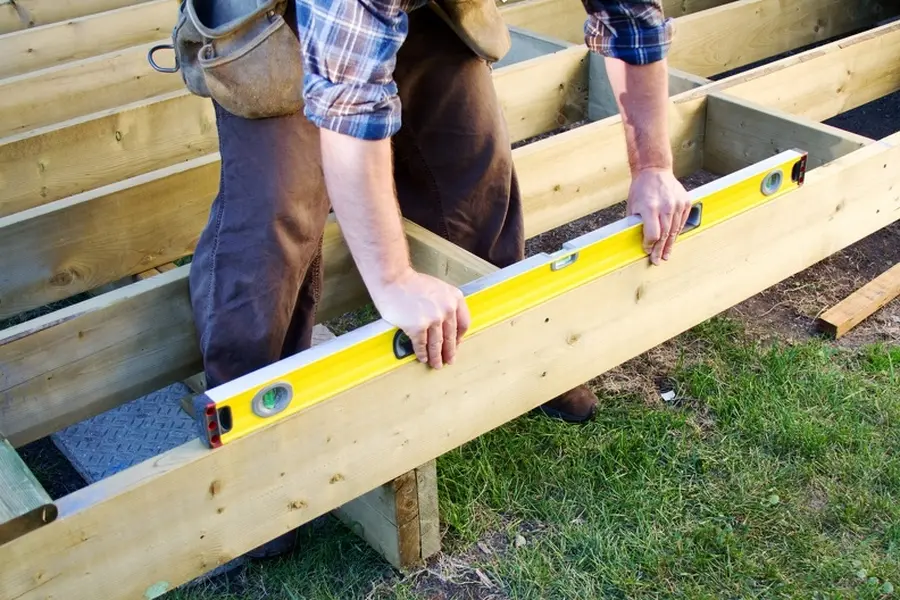
- A level to check for slopes or sagging
- A notebook or phone to record damage
If your deck is raised high off the ground, a sturdy ladder may also be needed. Safety should always come first.
Step-by-Step Inspection Process
Follow a simple order so nothing gets missed.
- Start with the surface boards. Look for cracks, splinters, soft spots, and warped planks.
- Check railings and stairs. Push lightly to see if they move. Loose railings are a safety risk.
- Inspect fasteners. Look for rusted nails, popped screws, or missing hardware.
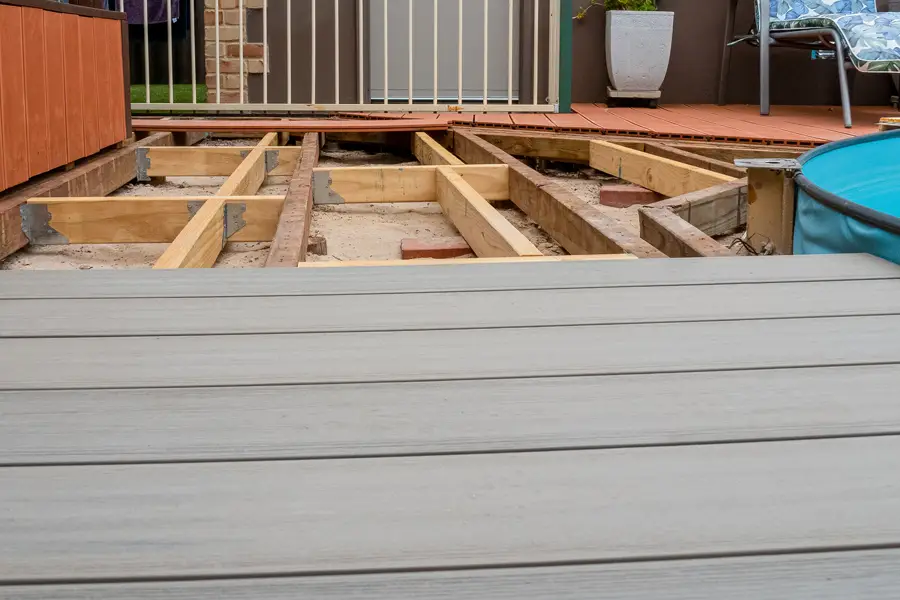
- Examine the frame underneath. Look at joists, beams, and posts for rot or insect damage.
- Review the ledger board. This board connects the deck to your house. It must be secure and free of rot.
- Look at drainage and spacing. Water should not pool on the surface or around posts.
By following these steps, your deck repair plan becomes clear and organized.
Common Mistakes During Inspection
Many homeowners make small errors that lead to big problems later.
- Only checking visible boards and ignoring the frame
- Painting over soft wood instead of replacing it
- Missing signs of insect damage
- Failing to test railings for strength
Another mistake is guessing the scope of deck repair without checking structural supports. Surface issues may look minor while deeper damage grows unseen.
When to Call a Professional
Some problems require trained eyes. If you see major sagging, cracked beams, or signs the deck is pulling away from the house, expert help is the safest choice. Structural repairs often connect to other parts of the home and may involve local building codes.
A trained contractor can also spot hidden moisture damage and recommend the right repair sequence. In some cases, what looks like simple deck repair may require partial rebuilding for safety.
How Inspection Supports Better Planning
A detailed inspection does more than find damage. It helps prioritize tasks. For example, safety issues like loose railings come before cosmetic fixes like staining. You can group similar repairs together, order materials once, and avoid delays.
Inspection also helps with budgeting. Instead of guessing, you can plan based on real findings. This saves time and reduces stress.
Our Recommendation for Homeowners
If you live in Buford, GA, regular deck repair planning starts with a careful inspection at least once a year. At M&R Deck Services, we take time to inspect every board, joint, and support before recommending any work. Call us at (678) 928-0185 to schedule an evaluation and let us help you create a smart, safe plan for your deck repair needs.